
Your step-by-step efficiency guide
Looking for a New Year’s resolution that actually sticks? A DIY home energy audit is one of the smartest ways to kick off the new year. Learn where your home is leaking energy — and money — through drafty windows, energy vampires and inefficient heating or cooling systems. With a few simple checks, you can boost comfort and shrink your utility bills all year long.
We’ll start with simple, no-cost changes you can do right away, then move on to tasks that take a little more effort.
Step 1: Adjust your thermostat
- Revisit your thermostat settings each season. Lowering the temperature at night or when no one is home is a simple way to cut costs.
- Use a smart thermostat for even greater savings. It automatically adjusts based on your schedule.
- Check with your utility providers for rebates or discounts on smart thermostat upgrades.
Step 2: Lower water heater temperature
- Lower your water heater temperature to save money and reduce the risk of scalding burns. Some water heaters are factory-set to 140 F, but most households only need 120 F.
Step 3: Find and fix energy drains
- Unplug appliances when not in use and fully power down devices like computers or gaming consoles.
- Use a smart power strip to shut off multiple electronics at once and stop energy waste at the source.
Step 4: Check your lighting
- Swap out older bulbs, like incandescent or CFLs, for LEDs. They use less energy and last longer.
- Add dimmers or timers to cut down on wasted electricity.
- Choose LEDs with features like daylight shut-off or motion sensors for outdoor fixtures.
Step 5: Review major appliances
- Look for the ENERGY STAR label when buying new. If your refrigerator, washer, dryer or heat pump is more than 10 years old, it may be worth replacing rather than repairing.
- Check your heating and cooling systems. Their lifespan can range from 10-30 years, depending on the type and maintenance.
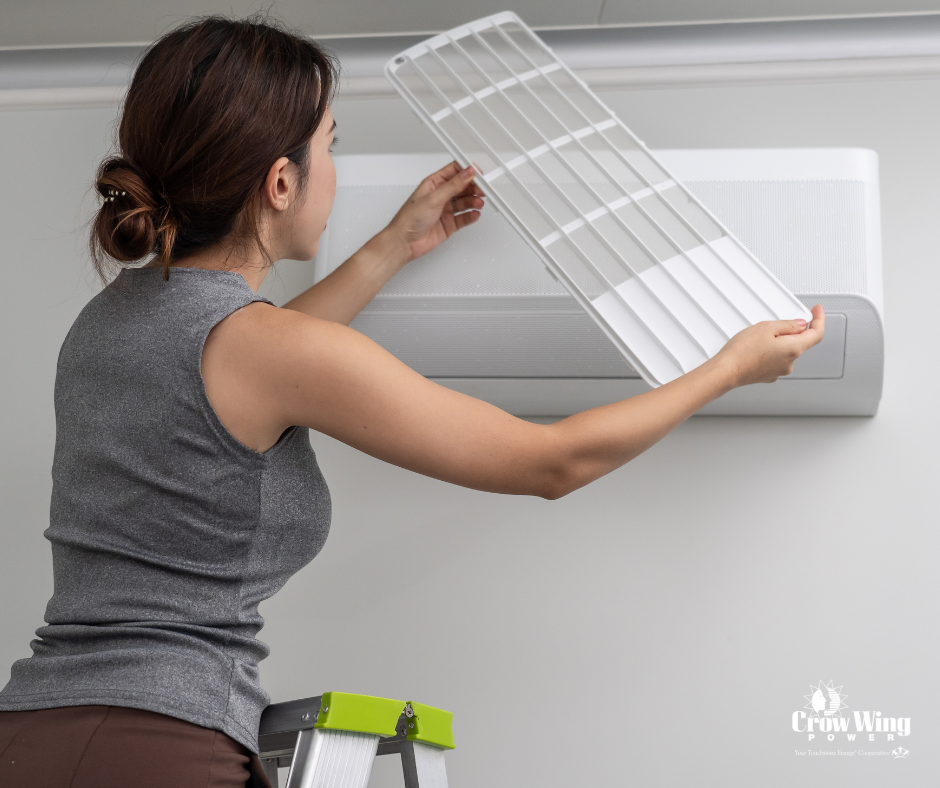
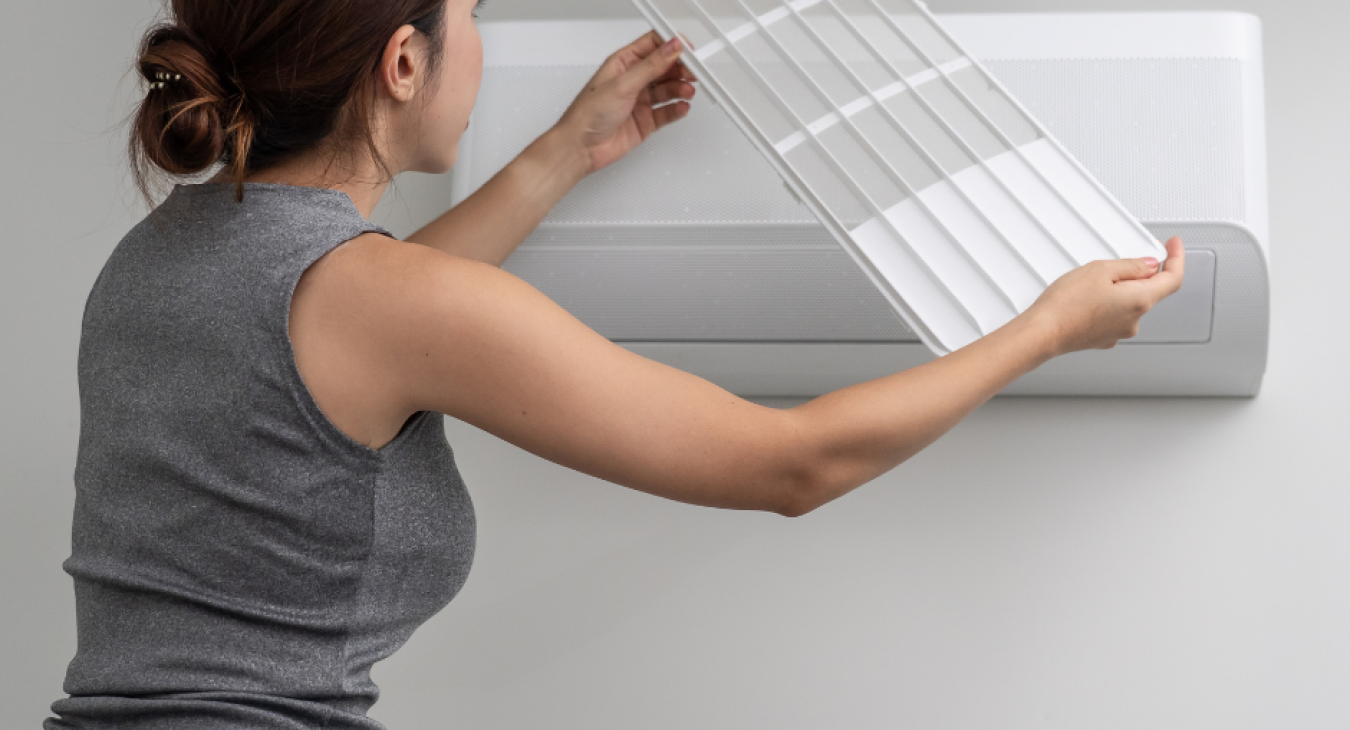
- Replace air filters to keep your system running efficiently.
Step 6: Seal leaks
Air leaks can waste 10-20% of your home’s energy each year, but they’re often simple to fix. Here’s where to look and how to seal them.
- Check baseboards, floor edges and wall-to-ceiling joints indoors.
- Focus on where different materials meet outdoors.
- Pay special attention to windows, doors, light fixtures, plumbing and outlets.
- Use caulk for gaps around windows, doors and baseboards.
- Add weatherstripping to doors and operable windows.
Step 7: Inspect insulation
Check attic insulation:
- Grab your dust mask and tape measure to check the depth of the insulation. It should be at least 12 inches deep, but you may need more depending on the type and your climate. Check EnergyStar.gov for recommended R-values.
- Spread insulation evenly. Loose-fill or blown-in insulation should be fluffy with even coverage, while rolled batt insulation should fit snugly with no gaps.
Inspect exterior walls:
- Check insulation by turning off the power, removing an outlet cover or switch plate and shining a flashlight into the cavity. Many homes built before the 1960s have little to no insulation, and houses from the 1960s-70s often need more.
- Call a professional to blow in insulation (from the outside or inside) if wall insulation is missing.
Don’t forget the basement:
- Ensure rim joists (the area between the top of the foundation and the underside of the first floor) are well insulated in unfinished basements.
- Insulate the underside of the floor between the joists in crawl spaces.
- Add insulation to pipes and ductwork for an extra efficiency boost.
Renters: You may not be able to make major upgrades, but you can ask your landlord to seal leaks or start small with temporary fixes.